
At first glance, biodiversity law and golf can feel like very separate worlds.
One sits in the language of policy, regulation and environmental reform. The other is grounded in day-to-day course operations — turf, trees, water, presentation, member expectations and long-term capital planning.
But that gap is starting to close.
Across Europe, nature restoration has moved firmly into the policy mainstream. The European Union’s Nature Restoration Regulation entered into force on 18 August 2024, setting legally binding restoration targets across degraded ecosystems and signalling a stronger expectation that land managers and governments alike will need to think more seriously about biodiversity outcomes.
Australia is not following the exact same path, but the direction of travel is also clear. The federal government’s environment reform bills passed Parliament on 28 November 2025 and received Royal Assent on 1 December 2025, with some provisions already in force and further reforms still to be phased in. The government has also said additional reform work is due by December 2026.
For golf clubs, none of this means there is a specific “golf biodiversity law” around the corner. But it does mean something important: biodiversity is moving beyond a nice-to-have sustainability theme and becoming more closely tied to land management, planning, risk and long-term resilience.
Europe’s shift is a signal, not just a European story
The EU Nature Restoration Regulation matters well beyond Europe because it reflects a broader shift in how governments are treating degraded landscapes. The law sets binding restoration targets, including a goal to put restoration measures in place on at least 20% of the EU’s land and sea areas by 2030, with longer-term targets extending to 2050.
Golf courses are not singled out in the law. But golf sits within the wider land-use conversation that the law is influencing: how land is managed, what ecological value is retained or restored, and how water, habitat and climate resilience are considered together.
That is part of why the golf sustainability conversation in Europe is evolving. Industry commentary there has started connecting biodiversity loss and ecosystem decline to the core assets golf depends on — healthy landscapes, functioning water systems, pollinators, soils and a more stable climate. Recent commentary from Golf Sustainable has also helped translate that shift into a golf context, highlighting the growing link between biodiversity, landscape resilience and the long-term health of the game.
That line of thinking is relevant in Australia too.
Australia’s reforms are different — but the message is similar
Australia’s current reforms are not a copy of Europe’s restoration law. But they point in a similar direction: stronger environmental protection, more structured standards, tighter scrutiny in some areas, and a greater expectation that biodiversity and restoration should be part of how land is understood and managed. The federal government says the new laws are intended to deliver stronger environmental protection and restoration, more efficient and robust project assessments, and greater accountability and transparency in decision-making.
According to the Department of Climate Change, Energy, the Environment and Water, some parts of the new framework have already commenced, including transitional arrangements, ministerial powers to create new National Environmental Standards, and tightened rules for some land clearing activities. Further reforms are still being phased in.
Alongside this, Australia’s Nature Repair Market is beginning to take shape. It is a voluntary national biodiversity market administered by the Clean Energy Regulator, designed to encourage investment in projects that restore and protect nature. The government and regulator describe it as a mechanism for registering biodiversity projects, verifying outcomes and issuing biodiversity certificates. The first project under the scheme was registered in August 2025, showing that the framework has moved beyond theory and into implementation.
For golf, this does not automatically create a commercial opportunity. Nor should clubs rush into market language without understanding the detail. But it does signal something bigger: biodiversity is increasingly being treated as something that can be measured, managed, reported on and, in some contexts, financially recognised.
So what does this mean for golf courses?
For most clubs, the immediate implication is not legal complexity. It is strategic clarity.
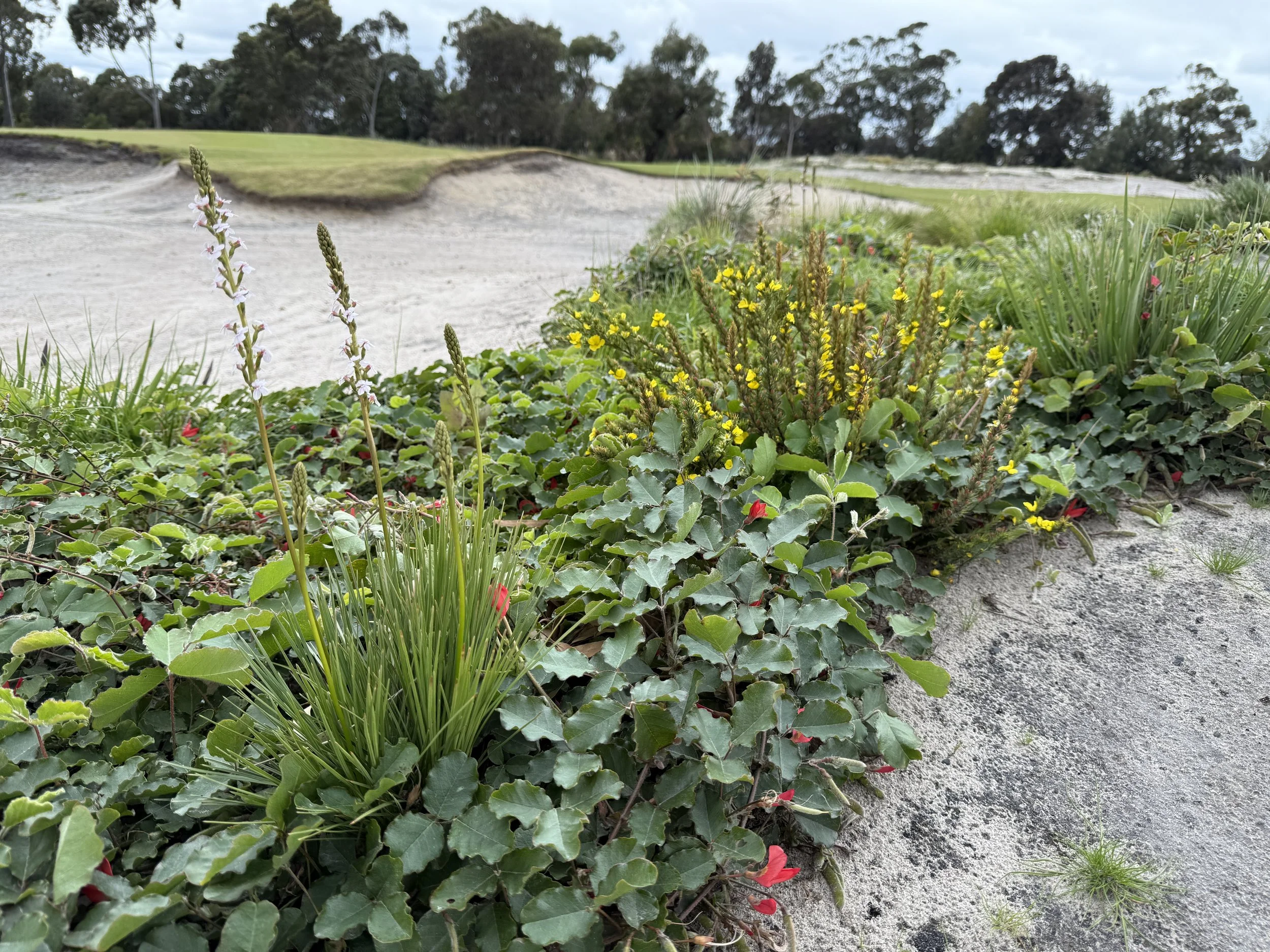
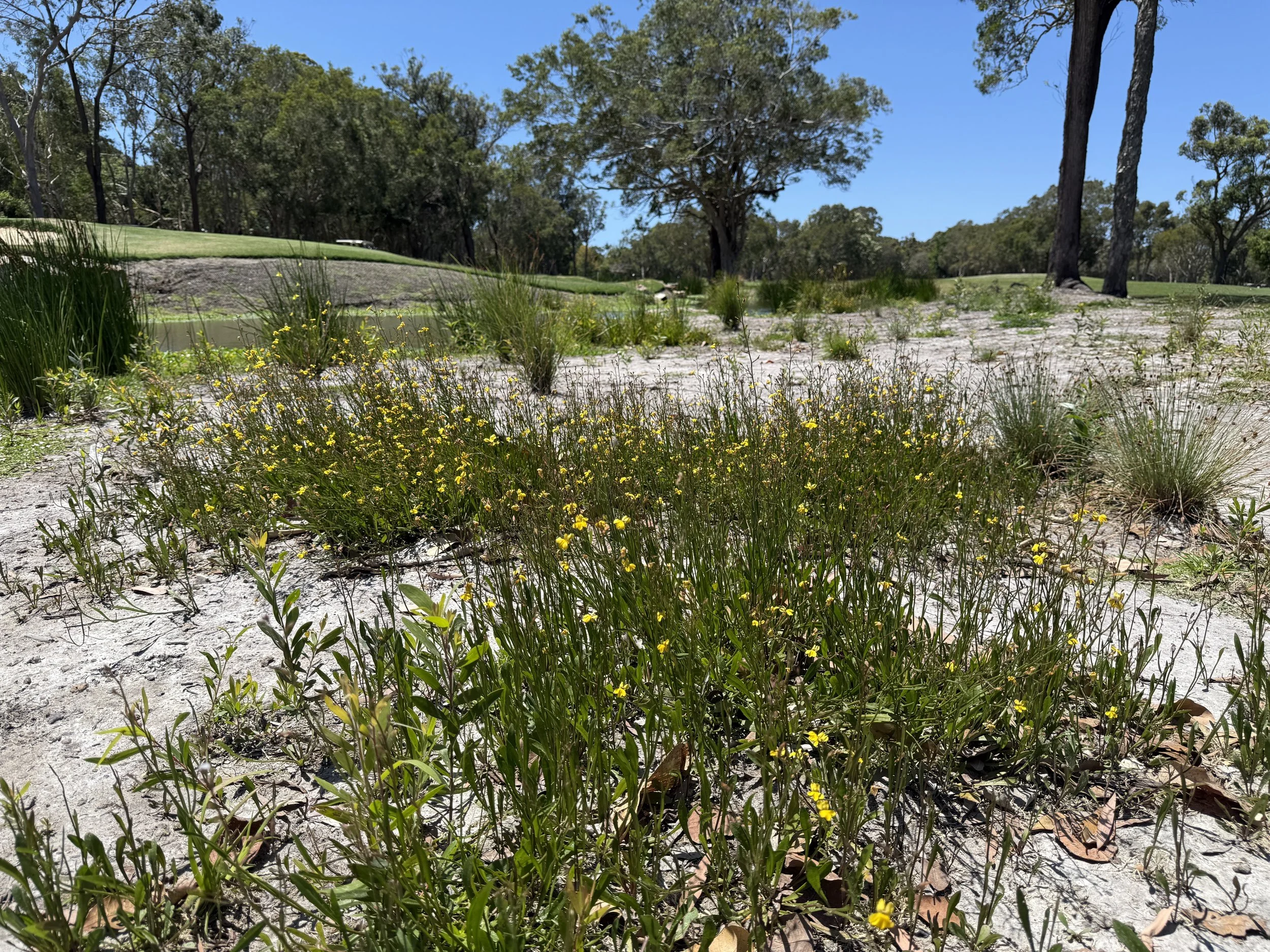
Golf courses manage large, often ecologically significant landscapes. Many include remnant vegetation, wetlands, waterways, habitat corridors, roughs, out-of-play areas and planting zones that already contribute environmental value — or could do so with better planning.
At the same time, clubs are dealing with increasing pressure around water, heat, extreme weather, maintenance costs, planning expectations and stakeholder scrutiny. In that context, biodiversity is no longer just about doing the right thing. It is increasingly tied to operational resilience, land-use credibility and future readiness.
The practical questions for clubs are becoming more important:
What ecological value do we already have on site?
Which areas should be protected, enhanced or better connected?
Where are the risks around clearing, degradation or missed opportunity?
How do vegetation, habitat and water planning sit alongside playability and presentation?
What should be measured now so that better decisions can be made later?
These are not abstract questions. They are the building blocks of better land management.
The clubs best placed for the future will know their baseline
If there is one clear lesson from the broader policy shift, it is this: waiting until regulation tightens further is not a strategy.
The clubs that will be best placed over time are likely to be those that understand their landholding early — not just in terms of playing surfaces and infrastructure, but in terms of habitat, vegetation, ecological assets and restoration opportunity.
That does not mean every golf course needs an immediate masterplan or a complex biodiversity strategy. But it does suggest value in starting with a baseline:
a biodiversity or habitat audit
a vegetation or landscape assessment
a clearer view of wetlands and waterbody function
better species and planting records
a more strategic understanding of risk and opportunity
A stronger baseline helps clubs make better practical decisions today, while also preparing for a future in which biodiversity expectations are likely to keep growing.
Golf has a chance to lead here
This is not just a compliance story.
Golf courses are uniquely placed within the built and managed landscape. Many sit across large green footprints in urban, peri-urban or regional areas. When managed thoughtfully, they can contribute to habitat, ecological connectivity, species refuge, landscape cooling, water-sensitive design and public awareness.
That does not happen automatically. But it is possible.
And as the broader conversation around biodiversity shifts — through policy reform, environmental markets, restoration targets and growing public expectation — golf has an opportunity to show that these landscapes can do more than host a game.
They can also help support nature.
Where to start
For clubs wondering what this means in practice, the first step is rarely to dive into policy detail. It is to understand the site.
Know what you have. Know what matters. Know where the opportunities sit.
Because whether change comes through regulation, market expectations, planning pressure or member demand, the clubs with the clearest baseline will be in the strongest position to respond.
Are you a club and want to understand your course’s biodiversity baseline, habitat opportunities or longer-term planning needs? Then reach out to Environmental Golf Solutions for some tailored advice.