
World Environment Day is marked each year on 5 June. But really, every day should be World Environment Day.
For golf, that message feels especially important.
Across Australia, golf courses manage large areas of open space, remnant vegetation, waterways, wetlands, trees, grasslands and bushland. These landscapes are not separate from nature. They are part of local ecosystems, urban green corridors and community spaces.
When managed with care, golf courses can be much more than places to play. They can help protect habitat, support native species, restore degraded areas, improve landscape resilience & give local communities more reasons to value the natural world around them.
A recent example from Mt Lawley Golf Club in Western Australia shows what this can look like in practice.
In 2025, Course Manager Rod Tatt and the team at Mt Lawley Golf Club worked with Perth Airport, the Department of Biodiversity, Conservation and Attractions and club volunteers to support the relocation of native Quenda into the club’s bushland areas.
Quenda are native bandicoots found in south-west Western Australia. They are listed in Western Australia as a Priority 4 species, meaning they are recognised as rare, near threatened or otherwise in need of monitoring.
As part of Perth Airport’s new runway development, an area of bushland is being cleared. Through the appropriate state government process, Mt Lawley Golf Club was approved as a relocation site for native fauna, with quenda releases beginning in April 2025 and continuing through May & June.
To help support the relocated animals, Mt Lawley volunteers have constructed “Quenda bungalows” and placed them across the club’s remnant & re-established bushland areas. These simple shelters help provide protection as the quenda settle into their new habitat.
WA’s Department of Biodiversity, Conservation and Attractions (DBCA), and Mt Lawley Golf Club relocate a Quenda onto the course.
It is a small, practical action, but it tells a much bigger story.
It shows what can happen when golf clubs, course teams, government agencies, local partners & volunteers work together. It also shows why biodiversity on golf courses should not be treated as an add-on or a side project. It can be part of how a course is planned, maintained, restored and celebrated.
Golf courses are living landscapes. They change with seasons, management decisions, rainfall, planting, habitat works, pests, weeds, community effort and long-term care. That means they also hold enormous potential.
A course with healthy native vegetation can provide food, shelter and movement corridors for wildlife. A course with wetlands and waterways can support birds, frogs, insects and aquatic life. A course with strong environmental records can better understand what is changing over time. And a course that shares its stories well can bring golfers, members, schools, councils, neighbours and conservation groups into the journey.
That is where the opportunity lies.
World Environment Day gives us a moment to pause and reflect. But the real work happens in the everyday decisions: what gets planted, what gets protected, what gets monitored, what gets restored, and who gets invited to be part of it.
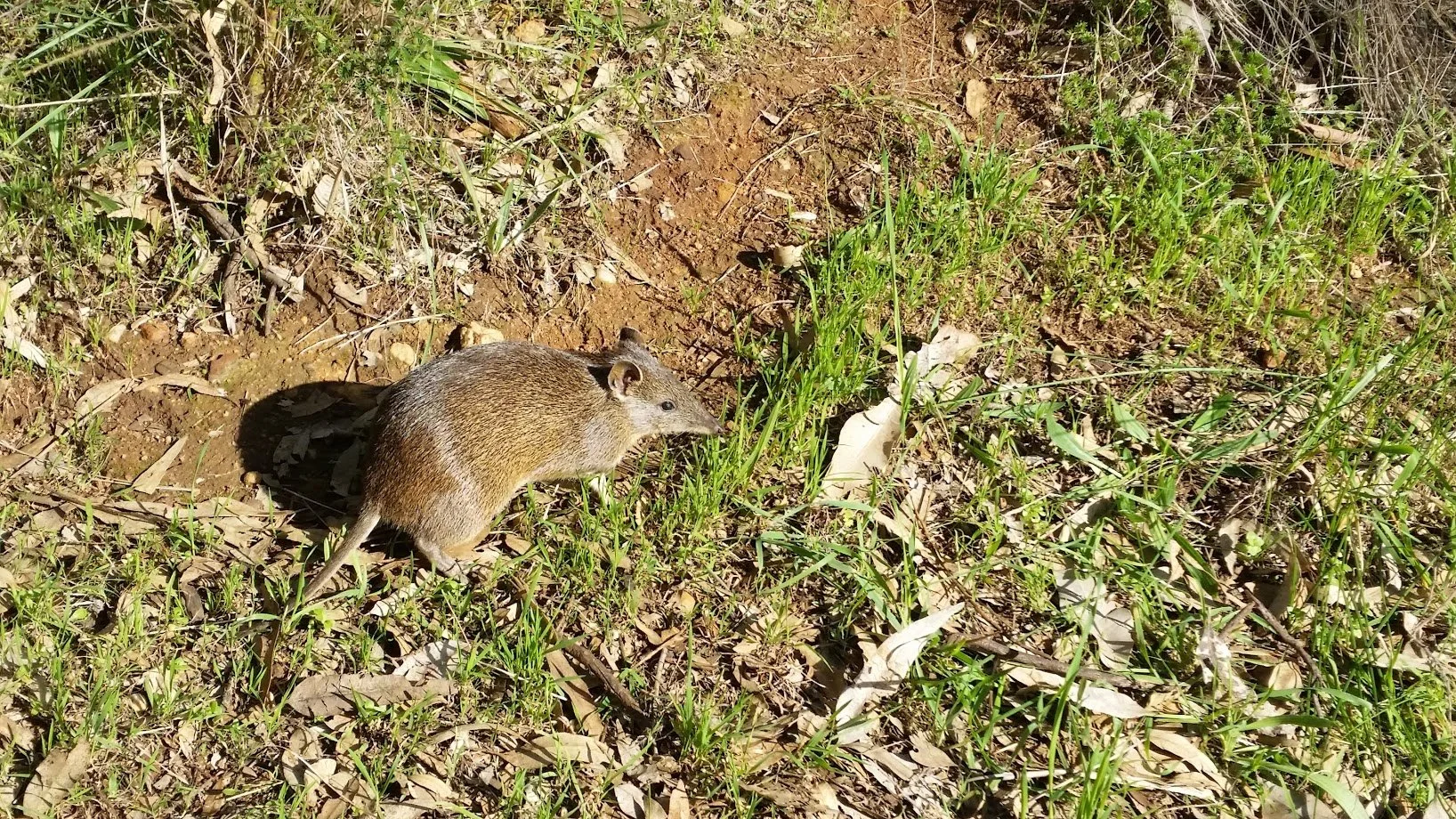
Photo credit - Jason Pitman - Rewild Perth
The Mt Lawley quenda relocation is a reminder that golf courses can play a meaningful role in nature conservation when they are managed with care and connected to the wider community.
For Golf Fore Nature, these are exactly the kinds of stories worth sharing.
Because the future of golf and nature does not sit in separate spaces. It sits in the landscapes we already have — and in how we choose to look after them.